

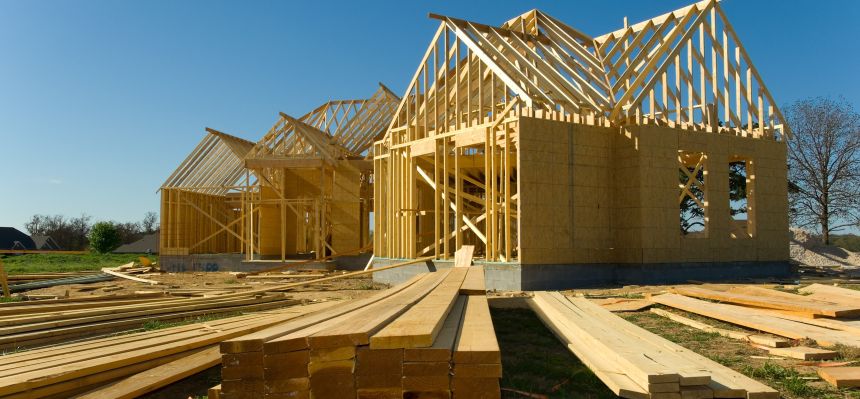
The 2026 Oregon Residential Specialty Code (ORSC) is just around the corner. It’s a significant step up in energy efficiency for new homes and applies to permits pulled on or after April 1, 2027. Here are three changes and strategies we’ve identified to help you stay ahead:
No.1: Ducts: Inside vs. outside
The code encourages builders to keep ductwork inside the thermal envelope. All builders must meet prescriptive requirements (walls, attic, windows) and choose measures from the Additional Measures table, which has eight options:
- Ducts inside: Builders who keep ductwork within a home’s conditioned space must complete two additional measures from the code’s Additional Measures Table. Many builders may already be installing efficient furnaces or heat pumps and efficient water heating equipment, making this pathway generally simpler.
- Ducts outside: Builders who place ductwork outside the conditioned space must complete three additional measures from the Additional Measures Table. They must also undergo duct leakage and building envelope leakage testing to verify compliance by an independent third-party rater, which can add cost and coordination compared to the ducts-inside pathway.
No. 2: Ventilation
Balanced ventilation is still required, but builders can no longer use the air handler fan (the furnace or heat pump blower) to provide it. That fan is oversized, wastes energy, and tends to over-ventilate homes. Options include an inline fan, a smaller dedicated fan that uses the existing duct distribution.
Ducted heat recovery ventilators (HRVs) or energy recovery ventilators (ERVs) systems with their own ductwork that recovers energy by tempering incoming air with outgoing air is one option. The other is zonal (spot) ERVs, small units, usually placed in a laundry room or bathroom on an exterior wall. One or two ERVs can meet the required ventilation can meet the required ventilation rate for most homes.
No. 3: Cooling must come from a heat pump
Any new home that includes cooling must provide it with a heat pump. If properly installed, heat pumps can consume less energy than gas furnaces
Builders have four paths:
- All heat pump: the heat pump handles all heating and cooling.
- Dual fuel: the heat pump provides all cooling and first-stage heating, and a gas furnace or other fuel takes over as second-stage heat in very cold weather.
- Gas furnace + AC: still allowed but requires four additional measures plus diagnostic testing.
- A builder can pursue an alternative compliance path called Total Simulated Building Performance or Energy Ratng Index
How EPS New Homes can help
EPS New Homes recently updated current incentives to prepare builders for the new code. Incentives are enhanced at 10%+ above current code, which will likely be roughly equal to the new code.
And, there are bonuses for affordable, rural, and tribal homes, plus a $500 bonus for ducts inside.
Learn more in an upcoming webinar
There’s more information surrounding the new code, so EPS New Homes is offering a webinar to walk you through code changes: How to meet – and exceed – the 2026 ORSC. Sign up for the webinar here.